Document Lifecycle Management, Reimagined
🇨🇭 Swiss-made • Offline Capable • Hosting Included
Complete Compliance and Content Handling Platform
Document lifecycle management is the set of stages a document moves through, from creation to disposal. Most systems treat that lifecycle as a straight line that ends the moment a document is filed away. Yonder treats it as a loop.

The Lifecycle You Already Know
If you’ve worked with any document management system, this part will sound familiar. A document is created, reviewed, and approved. It’s distributed to the people who need it. Over time it’s revised, and eventually it’s retained for a set period before it’s archived or disposed of. This is the standard model, and it’s not wrong. It’s just incomplete.
Where the Line Breaks
A Lifecycle That Loops
How Document Lifecycle Management Works in Yonder
Your documents stay linked to the regulations and standards that govern them, and they flag themselves the moment something changes, instead of quietly going out of date until someone finds out the hard way.
Create or import
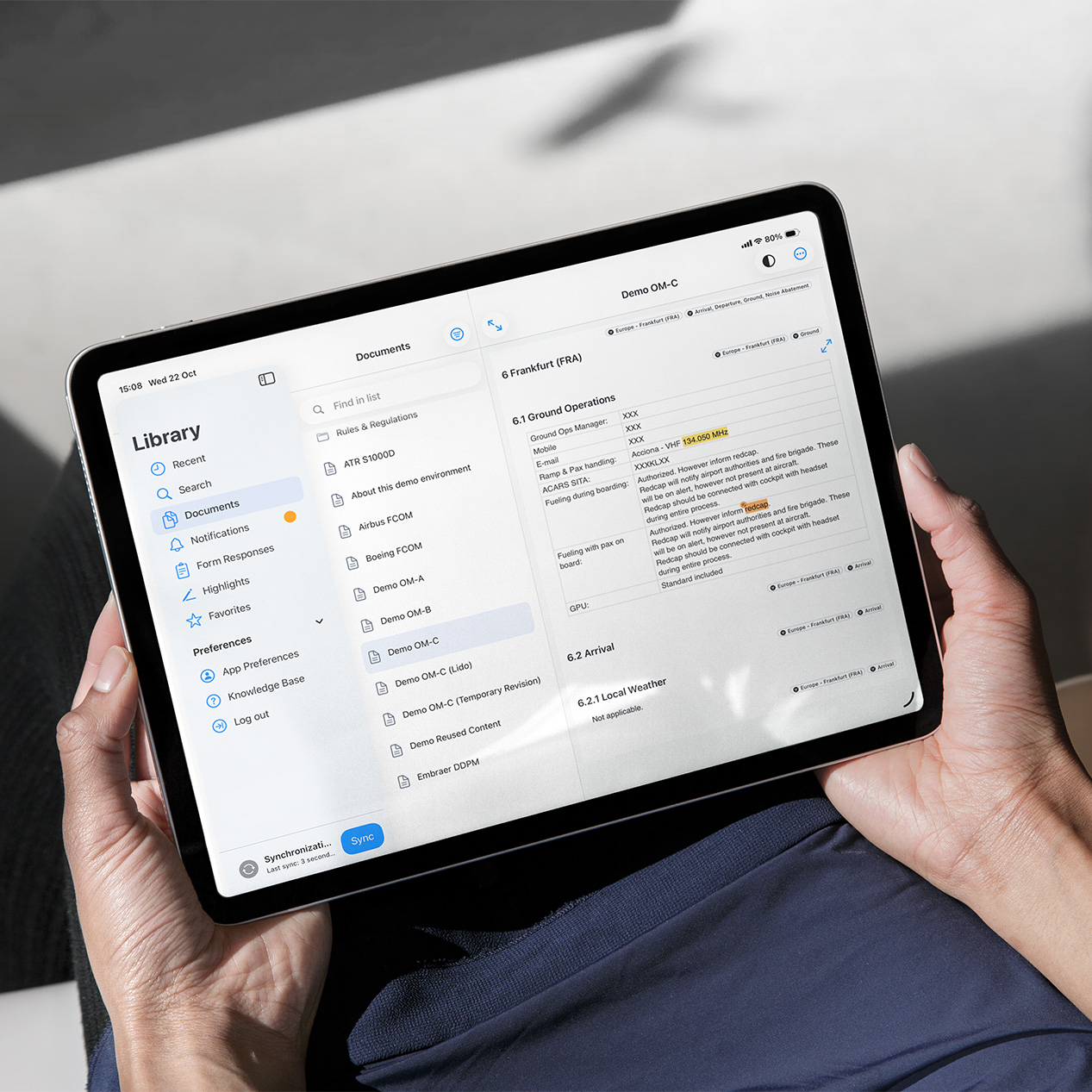
Bring existing documents in from Word, PDF, or another system, or start fresh. Yonder converts them into structured, smart content automatically.
Link to source
Connect a document, or an individual section, directly to the regulation, standard, or policy it’s based on.
Distribute by role
Readers see only the content relevant to their role, reducing noise and information overload.
Auto-flag on change
When the linked source updates, Yonder generates a change request and highlights exactly what’s affected.
Revise through workflow
The update moves through an approval process configured to match how your organization actually works.
Redistribute
The revised, current document goes back out, and the link to its source stays active, ready to flag the next change.
Why It Matters
Always Current
Source-Linked Documents: Every document stays connected to the regulation, standard, or policy it’s based on, not just filed and forgotten.
Automatic Change Flags: No manual monitoring required. When the source changes, the document tells you.
Right Content for the
Right Role
Role-Based Filtering: Readers see only what’s relevant to their role and task, cutting through information overload.
Content Flows, Not Static Pages: Information is organized around what people actually need to find, not fixed page layouts.
Full Traceability
Complete Audit Trail: Every change, approval, and revision is logged and retrievable, from first draft to final sign-off.
Before-and-After Comparisons: See exactly what changed between any two versions of a document or a single section.
Built for Any Regulated
Environment
ISO 9001 & ISO 27001 Aligned: Document control practices that map directly to the standards already governing your industry.
Configurable Workflows: Approval processes built around your organization’s structure, not a fixed template.
Proven Where It Matters Most
Yonder was built and proven in one of the most heavily regulated, safety-critical industries in the world, where a document falling out of date isn’t a paperwork problem, it’s an operational risk. The same mechanism that keeps an airline’s manuals current works exactly the same way anywhere documents have to stay accurate: manufacturing, healthcare, energy, finance, or any organization operating under a quality or compliance standard.
Driven by constant innovation
On-device AI included at no extra cost.
Faster revision processing vs. legacy revision processes.
Avarage reported savings per employee per year within customers.


Frequently Asked Questions
Document lifecycle management is the process of controlling a document through every stage it goes through, creation, review, approval, distribution, revision, retention, and eventual disposal. Most systems manage these stages as a one-way process. Yonder adds a stage most systems miss: keeping the document linked to what governs it, so it can flag itself when that changes.
The typical stages are creation, review and approval, distribution, revision, retention, and disposal. Yonder adds an ongoing stage that runs alongside all of these: continuous monitoring of the source a document is based on, so revisions are triggered automatically rather than discovered later.
Document management software typically focuses on storage, version control, and access. Document lifecycle management goes further, governing how a document moves through its full life, including what happens after it’s published. Yonder’s distinction is that it keeps documents actively linked to their governing source, rather than treating publication as the end of the process.
No. Any organization that maintains policies, procedures, or standards that change over time benefits from documents that flag themselves when those sources update, rather than relying on someone to notice manually. It matters most where the cost of an outdated document is highest, but the underlying problem is universal.
No. Yonder manages the active, working stages of a document’s life, creation, linkage, revision, and distribution, and can align with the retention and disposal policies you already have in place, rather than replacing them.
Yes, demo access is available for you to explore the platform’s features and see how it fits your organization’s needs.
Proudly Supporting